
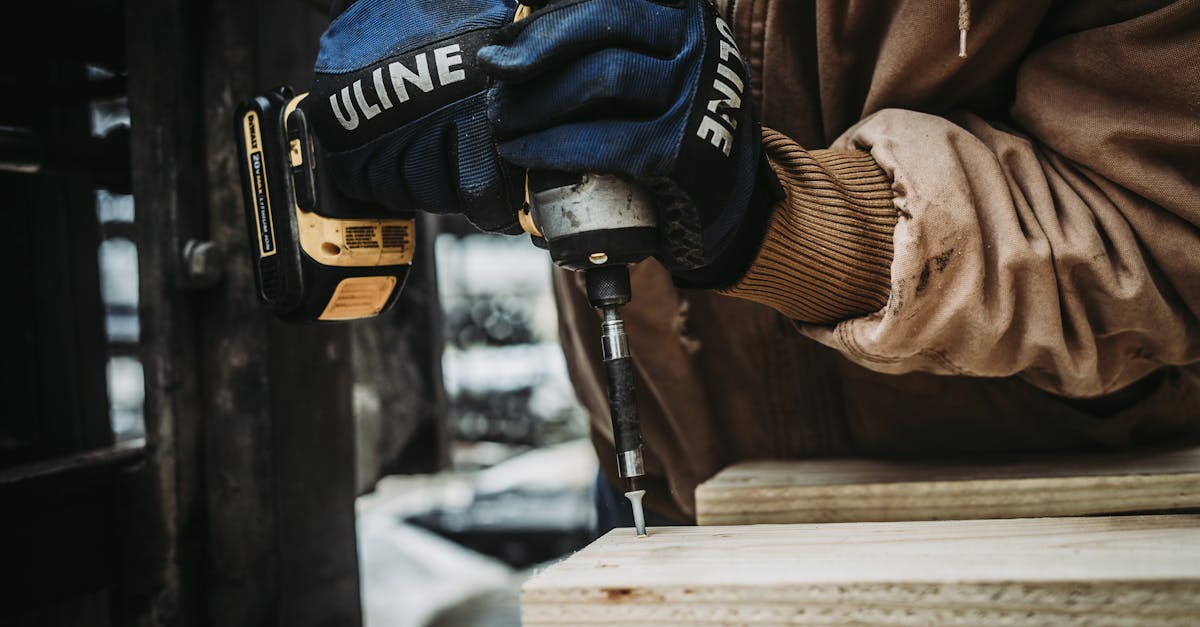
In a world where mass-produced items flood the market, DIY wood projects offer a refreshing twist. Not only do they add a personal touch, but they can also fill your pockets with some extra cash. Imagine turning that pile of scrap wood into a trendy bookshelf or a rustic coffee table that makes your neighbors green with envy. Who knew woodworking could be so lucrative?
Whether you’re a seasoned craftsman or just starting out, there’s a project for everyone. From simple birdhouses to intricate furniture, the possibilities are endless. Plus, with a little creativity and elbow grease, these projects can be more than just a hobby—they can become a thriving side hustle. So grab your tools and let’s dive into the world of DIY wood projects that not only showcase your skills but also have the potential to turn heads and make sales.
Table of Contents
TogglePopular DIY Wood Projects to Sell
DIY wood projects attract attention for their unique charm and potential profitability. Various options exist, catering to both home decor enthusiasts and those in need of functional furniture.
Home Decor Items
Wall art pieces, such as wooden signs and rustic shelves, offer excellent selling opportunities. Handmade photo frames reflect personal style, making them desirable for buyers. Candle holders crafted from reclaimed wood stand out for their eco-friendliness. Additionally, decorative trays can serve both aesthetic and practical purposes. These items appeal especially to individuals looking for unique touches in their homes. Creative designs often pique interest at craft fairs and online marketplaces.
Functional Furniture
Creating practical furniture allows for diverse offerings. Small tables, like side or coffee tables, fit well in many settings. Bookshelves built with a keen eye for detail cater to avid readers. Benches provide versatile seating options, suitable for entryways or gardens. Sturdy workbenches can attract hobbyists and craftsmen alike. Each piece blends functionality with artistic expression, enhancing market appeal. Unique furniture items often captivate attention at local shows or through online sales platforms.
Getting Started with DIY Wood Projects
Starting DIY wood projects requires careful planning and the right approach. Gathering essential tools and materials streamlines the process and enhances productivity.
Tools and Materials Needed
Essential tools include a saw, drill, and sander. They enable precise cuts and smooth finishes. Additional materials such as wood glue, nails, and paint add functionality and aesthetic appeal. Using quality lumber like pine, cedar, or plywood ensures durability and eye-catching results. Many projects can begin with basic items, making woodworking accessible to everyone. A good workbench provides stability, while safety goggles protect eyes during cutting or sanding. These tools and materials form the foundation for various projects, ranging from simple decor to complex furniture.
Safety Tips for Beginners
Focusing on safety enhances enjoyment and minimizes risks. Always wear protective goggles and gloves when handling tools. Utilizing ear protection during loud operations prevents hearing damage. Keeping work areas clean reduces the risk of accidents and injuries. Understanding tool instructions is crucial for proper usage and safety. Beginners should work at a comfortable pace, avoiding fatigue-related mistakes. Having a first aid kit nearby ensures readiness for minor injuries. Following these safety tips creates a secure environment for tackling DIY wood projects effectively.
Tips for Marketing Your DIY Wood Projects
Effective marketing strategies enhance the visibility of DIY wood projects. Focusing on the right platforms increases sales opportunities.
Online Marketplaces
Utilizing online marketplaces can significantly boost product reach. Websites like Etsy, Amazon Handmade, and eBay provide dedicated spaces for unique handcrafted items. High-quality photos showcase wood projects effectively, attracting potential buyers. Using clear descriptions that highlight features and benefits aids in conversions. Competitive pricing strategies should reflect both material costs and craftsmanship. Engaging with customers through prompt responses fosters trust and encourages repeat sales.
Craft Fairs and Local Markets
Participating in craft fairs and local markets offers direct access to potential customers. Setting up a visually appealing booth grabs attention and creates a memorable experience. Demonstrating woodworking techniques may intrigue visitors and stimulate interest in purchases. Offering promotional materials like business cards or fliers helps potential buyers remember the brand. Building relationships with local artisans and fellow vendors can lead to cross-promotion opportunities. Regular participation in community events establishes a loyal customer base and enhances local recognition.
Pricing Your DIY Wood Projects
Pricing DIY wood projects accurately ensures they attract buyers while also covering costs and generating profit. Understanding various factors can aid in setting competitive prices.
Factors to Consider
Evaluate material costs first. Quality wood, stains, and finishes significantly impact the final price. Labor is another critical aspect; time spent crafting each item should reflect in its price. Consider overhead expenses like tools, workspace, and utilities as well. Additionally, pricing should factor in the uniqueness of the project and the target market’s willingness to pay. Local demand and seasonal trends also influence pricing.
Competitive Analysis
Research similar products in your market. Check prices on platforms such as Etsy and Amazon Handmade to understand prevailing rates. Pay attention to the quality and design of competing items, as these directly affect pricing strategies. Analyze customer reviews to identify strengths and weaknesses in competitor offerings. Adjust prices to remain competitive without undervaluing your craft. Analyzing local market trends and customer preferences can help establish a price point that effectively attracts buyers.
Exploring DIY wood projects offers a fulfilling blend of creativity and potential profit. With a diverse range of options from decorative items to functional furniture there’s something for every skill level. By investing time in quality craftsmanship and effective marketing strategies, individuals can turn their passion into a thriving side hustle.
The key lies in understanding the market and pricing projects appropriately. With the right approach and dedication, these handmade creations can stand out in a crowded marketplace. Whether selling online or at local fairs, the unique touch of DIY woodwork resonates with buyers seeking authenticity and personality in their purchases. Embracing this journey not only enhances woodworking skills but also opens doors to rewarding opportunities.