
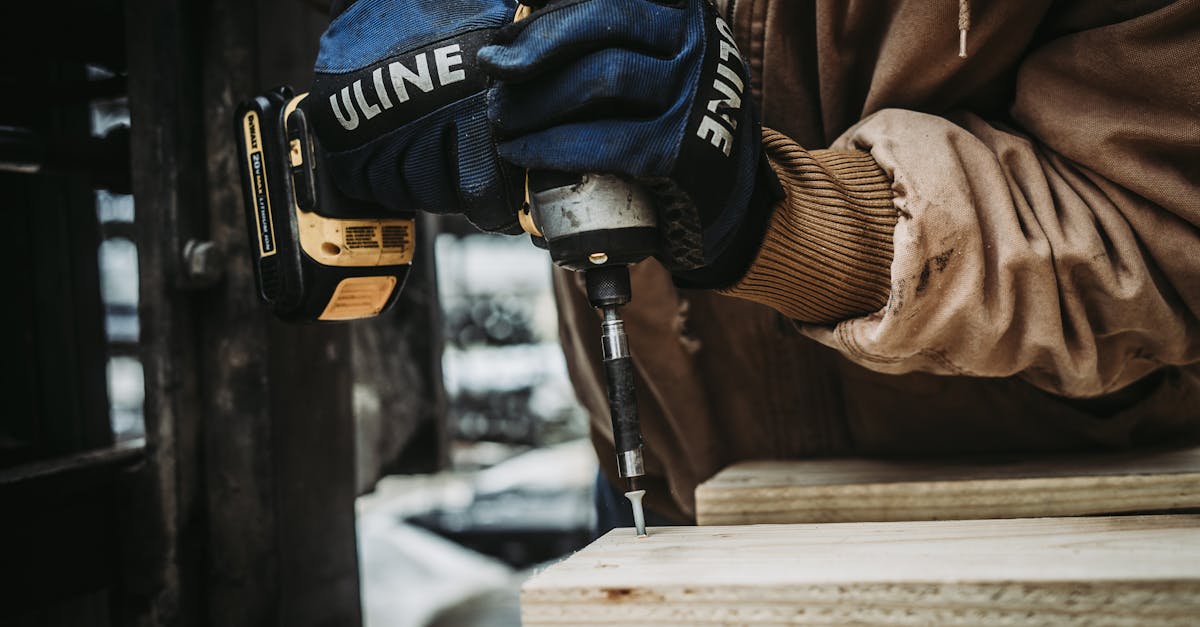
Diving into the world of DIY wood projects can feel like stepping into a lumberjack’s paradise, but fear not, beginners! With a few tools and a dash of creativity, anyone can transform a simple piece of wood into something spectacular. Whether it’s crafting a rustic shelf or building a charming birdhouse, these projects offer a perfect blend of fun and functionality.
Imagine impressing friends with your newfound skills while secretly enjoying the satisfaction of saying, “I made that!” No need to worry about being the next Bob Vila; everyone starts somewhere. So grab that saw and let’s explore some easy yet rewarding wood projects that’ll have you saying, “I totally nailed it!” in no time.
Table of Contents
ToggleOverview of DIY Wood Projects for Beginners
DIY wood projects offer a fantastic entry point for beginners interested in crafting. Many projects, like building simple shelves or creating outdoor birdhouses, require just basic tools and minimal materials. Emphasizing creativity, these crafts allow individuals to personalize their items and develop unique styles.
Engaging in wooden projects fosters confidence and skills, helping novices become more comfortable with tools. Resources, such as online tutorials and community workshops, guide beginners through the crafting process. Many find that hands-on experience is the best teacher, making every cut and joint a learning opportunity.
Perseverance leads to stunning results, as original designs can be modified based on individual preferences. Simple projects often include designing picture frames or constructing planters, enabling immediate gratification. Suppliers of lumber and hardware provide essential materials, making it easy to gather everything needed for a project.
Exploring various techniques further expands creative horizons. Joining online forums or local crafting groups provides support and inspiration, creating a sense of community among woodworkers. With every completed project, satisfaction grows, and the desire to tackle more complex ideas often arises.
It’s encouraging to remember that every expert was once a beginner. Starting small with achievable tasks allows for gradual skill enhancement. Understanding that mistakes are part of the learning process can help maintain motivation and enjoyment in woodworking. Each experience adds valuable insights, making the journey rewarding for anyone interested in DIY wood projects.
Essential Tools and Materials
Having the right tools and materials ensures a smooth woodworking experience for beginners. Simple, yet effective tools can make a significant difference in the quality of projects.
Basic Tools You Will Need
Beginners should start with essential tools like a handsaw or a circular saw for cutting wood efficiently. A tape measure ensures accurate dimensions while a square aids in making precise right angles. Clamps hold pieces together securely during assembly, and a drill is necessary for creating holes and driving screws. Sandpaper helps achieve a smooth finish on surfaces. A workbench provides a stable area for working. With these basic tools, novices can tackle a variety of wood projects confidently.
Recommended Wood Types for Beginners
Softwoods serve as excellent options for beginners due to their ease of handling. Pine is lightweight, affordable, and readily available, making it a popular choice for various projects. Cedar, with its natural resistance to decay, is ideal for outdoor items like planters. Plywood offers an economical solution for larger projects, combining strength and versatility. Choosing these wood types aids beginners in developing their skills without overwhelming them.
Step-by-Step Project Ideas
Beginners can jump right into fun and rewarding wood projects. Here are three simple ideas to spark creativity and build skills.
Simple Birdhouse
Creating a birdhouse represents an enjoyable starter project. Use a few pieces of wood, basic tools, and simple cuts. The dimensions for a typical birdhouse include a base measuring 6 inches by 6 inches and walls of 8 inches tall. Assemble the pieces using screws or nails to ensure stability. Finish by adding a small entrance hole about 1.5 inches in diameter. Painting or staining the birdhouse personalizes it, attracting feathered friends to the yard.
Wooden Picture Frame
Crafting a wooden picture frame proves straightforward and gratifying. Select wood strips, each 1 inch wide and cut to fit the desired photo size. Mitering the corners allows for a polished look, while wood glue secures connections. Use clamps to hold the frame together while it dries. Adding a back panel keeps the picture safely in place. Sand the edges for smoothness, and consider adding a coat of paint or stain for style.
Garden Planter Box
Building a garden planter box offers practical use and aesthetic appeal. Start with four boards of equal length, often around 3 feet, to create the sides. Assemble the pieces using screws, ensuring the box is sturdy. Drill drainage holes at the bottom to prevent water accumulation. Lining the inside with landscaping fabric keeps soil contained while allowing drainage. Choose to paint or leave the wood natural for a rustic touch, enhancing the garden’s look.
Tips for Successful DIY Woodworking
Successful DIY woodworking relies on careful planning and execution. Beginners should prioritize safety and proper tool maintenance to enhance their woodworking experience.
Safety Precautions to Consider
Safety plays an essential role in woodworking. Always wear safety glasses to protect your eyes from wood debris. Ear protection can be necessary when using loud machinery, while a dust mask helps prevent inhalation of sawdust. Secure your work area to avoid trips or falls, keeping tools organized and clutter-free. Properly handling tools reduces accidents; holding saws and drills firmly prevents slips. Understanding each tool’s instructions and specifications minimizes risks. If unsure, consulting experienced woodworkers or online resources can offer valuable insights.
Maintaining Your Tools
Tool maintenance directly influences project success. Regularly cleaning tools ensures longevity and efficiency. After each use, remove dust and resin to prevent buildup. Sharpening blades keeps cutting tools effective; a sharp blade requires less effort and produces clean edges. Inspecting tools for damage allows for timely repairs, preventing accidents. Lubricating moving parts maintains smooth operation and enhances durability. Storing tools in a dry, secure place protects them from rust and damage. Practicing proper maintenance fosters a habit of care, contributing to overall skill development in woodworking.
Embarking on DIY wood projects opens up a world of creativity and satisfaction for beginners. With basic tools and a willingness to learn, anyone can transform simple materials into beautiful, functional items. Each project completed not only enhances skills but also boosts confidence, encouraging further exploration in woodworking.
The journey may come with challenges, but perseverance leads to rewarding results. By connecting with communities and utilizing available resources, beginners can find support and inspiration. Every expert started as a novice, and with each project, they’ll discover the joy of crafting and the unique touch they can bring to their creations. So grab those tools and let the woodworking adventure begin.