
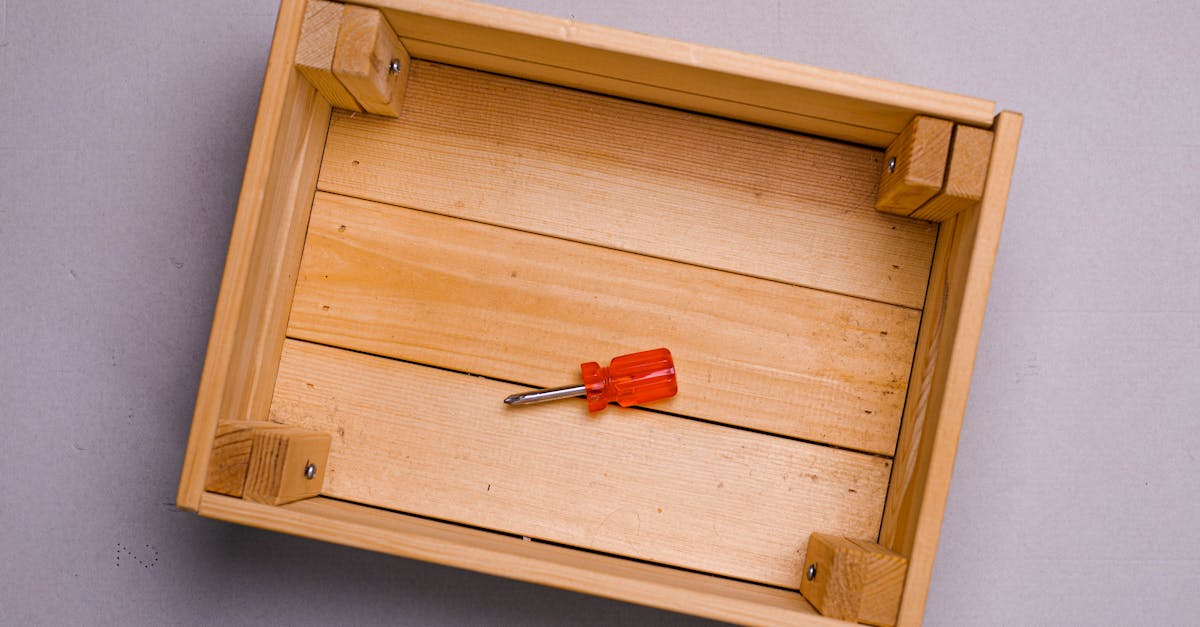
Woodworking doesn’t have to be a lumberjack-level commitment. With DIY small wood projects, anyone can unleash their inner craftsman without needing a chainsaw or a PhD in carpentry. Whether it’s a charming birdhouse or a sleek shelf, these projects offer the perfect blend of creativity and practicality. Plus, they’re a great excuse to avoid chores—who wouldn’t want to spend an afternoon in the garage with a sander instead of vacuuming?
Table of Contents
ToggleOverview of DIY Small Wood Projects
DIY small wood projects offer a fantastic way to engage with woodworking, regardless of experience. Individuals can create practical items that add value to their homes, such as birdhouses, shelves, and picture frames. Easy accessibility to materials encourages many to try their hand at these initiatives.
Creativity flourishes through designing unique pieces that reflect personal style. Small wood projects allow for experimentation with various techniques and finishes. Individuals can find satisfaction in building something with their own hands, transforming simple wood into functional art.
These projects typically require minimal tools, such as saws, drills, and sanders, making it easy for beginners to start. Skill development occurs naturally as individuals take on new challenges or refine existing abilities. A range of project ideas exists, catering to different interests and skill levels.
Birdhouses capture attention due to their charm and functionality, inviting wildlife into the garden. Shelves provide versatile storage solutions and can enhance the aesthetics of any room. Simple wood coasters, for example, serve as practical items that also showcase creativity.
For those seeking guidance, countless online resources offer tutorials, patterns, and inspiration. Community workshops and local classes also present opportunities to learn from experts in the field. Engaging in DIY small wood projects not only fosters creativity but also builds confidence in abilities.
Ultimately, these ventures provide a productive escape from daily routines. Enjoyable experiences await those willing to explore their woodworking potential. Each project completed contributes to a growing skill set and personal satisfaction.
Benefits of DIY Small Wood Projects
Engaging in DIY small wood projects offers numerous advantages that enhance personal satisfaction and skills. These benefits are significant whether one is a beginner or has some experience.
Cost-Effective Solutions
Saving money ranks high among the perks of DIY projects. Purchasing custom furniture often incurs high costs, while building items at home provides economical alternatives. For instance, creating bookshelves or tables from reclaimed wood can drastically reduce expenses. Many resources provide low-cost or free plans, supporting budget-conscious individuals. Using materials from local hardware stores further ensures affordability. These projects often require minimal investment in tools, making it even easier to start without a heavy financial burden.
Creative Expression
Emphasizing personal creativity defines the fulfillment found in DIY wood projects. Opportunities for customization abound when crafting unique pieces like picture frames or decorative shelves. Individuals can choose colors, designs, and finishes that reflect their personalities. Each project allows for experimentation with different techniques, cultivating a distinct personal style. Enjoyment comes from transforming raw materials into functional art, creating a sense of pride. Showcasing handmade items in homes sparks conversation and admiration, enhancing their appeal.
Essential Tools for DIY Small Wood Projects
Having the right tools simplifies DIY small wood projects. Starting with basic tools enables quick and efficient crafting.
Basic Tool Kit
A measuring tape ensures accurate dimensions for every project. A square aids in achieving straight cuts and right angles. Wood saws create clean edges, while a drill accommodates holes for screws and dowels. Sandpaper smooths surfaces, giving a polished finish. Clamps hold pieces together securely during assembly. A pencil marks cut lines and locations for hardware. This basic toolkit meets the needs of most beginner projects, making them accessible to everyone.
Optional Tools for Advanced Projects
Expanding the tool collection can enhance capabilities for more complex tasks. A miter saw enables precise angled cuts for frames and intricate designs. A jigsaw offers versatility for cutting curves and shapes. Power sanders save time by efficiently smoothing larger surfaces. A router adds decorative edges or creates grooves for joints. Finally, investing in advanced safety equipment, like goggles and a dust mask, promotes a safer working environment. These optional tools provide greater flexibility and creativity in DIY projects.
Popular DIY Small Wood Projects to Try
Engaging in small wood projects offers opportunities for creativity and skill enhancement. Here are a few popular ideas to consider.
Simple Planters
Creating simple planters provides an excellent way to add greenery to any space. Wooden planters can showcase a variety of plants, from flowers to herbs. Beginners can use cedar or pine for their durability and availability. A rectangular or square box design works well for straightforward construction. Pre-drilling holes for drainage ensures healthy plant growth. For a personal touch, individuals can paint or stain the wood. Understanding supplies helps streamline the process, making the project enjoyable.
Decorative Shelves
Decorative shelves serve both function and aesthetics. Building shelves allows individuals to display books, plants, or knick-knacks. A floating shelf design requires minimal materials yet produces a modern look. Basic carpentry skills help transform simple boards into stylish statements. Adding brackets or decorative supports enhances visual appeal. Proper placement in a room elevates the overall decor. Additionally, customizing colors or finishes offers personal expression in each project.
Customized Photo Frames
Customized photo frames enable personalization of cherished memories. Crafting frames offers an easy introduction to woodworking techniques. Different wood types can enhance unique styles, from rustic to contemporary. Selecting the right dimensions ensures compatibility with chosen photos. Adding embellishments like carvings or paint creates individuality. Using a protective coat preserves the frame’s beauty over time. Aligning personal tastes with design choices makes each frame a unique work of art.
Tips for Successful DIY Small Wood Projects
Successful DIY small wood projects start with effective planning and design. Identify the project goal and gather inspiration from various sources. Sketching a design can clarify dimensions and features before beginning. Take measurements to ensure materials fit well together. Include a list of required materials to avoid last-minute scrambles. Visualizing the final product helps in maintaining focus throughout the woodworking process.
Planning and Designing
Planning and designing lay the groundwork for a successful build. Start with selecting a project that suits skill levels and interests. Familiarize with dimensions and proportions relevant to specific items like shelves or frames. Use graph paper for scaling designs accurately. Collaborate with experienced crafters for feedback on designs. Prioritize creating a detailed materials list to streamline the shopping process. Evaluate the space where the item will reside to ensure it fits harmoniously into the environment.
Safety Precautions
Safety precautions are essential when engaging in woodworking to prevent accidents. Keeping the workspace organized helps to reduce hazards. Always wear protective gear like goggles and ear protection when using power tools. Ensure tools are in good condition to minimize the risk of malfunction. Avoid loose clothing that may get caught in machinery. Familiarize with the correct operation of each tool before use. Taking breaks during prolonged sessions prevents fatigue and maintains focus. Following these safety tips fosters a secure and enjoyable woodworking experience.
Engaging in DIY small wood projects opens a world of creativity and practicality. These projects not only enhance living spaces but also provide a rewarding outlet for self-expression. With minimal tools and accessible materials, anyone can dive into woodworking and experience the joy of creating functional art.
The satisfaction of completing a project fosters personal growth and skill development. By exploring various ideas and techniques, individuals can find their unique style while enjoying the process. Whether it’s building a simple planter or a decorative shelf, the journey of crafting brings fulfillment and a sense of accomplishment. Embracing these projects can transform everyday routines into enjoyable experiences filled with creativity and pride.